The First Wager of this Season Explained
The system has made it's first wager recommendation for this season. Let's look into some of it's reasoning ...
Last season, the system evaluated 285 games over the course of the 2025 regular season and playoffs. It identified 156 wagering opportunities (roughly 55% of all games). The results were 95 wins, 59 losses and 2 ties (pushes). All of these opportunities and subsequent wager recommendations were the result of three steps in our process:
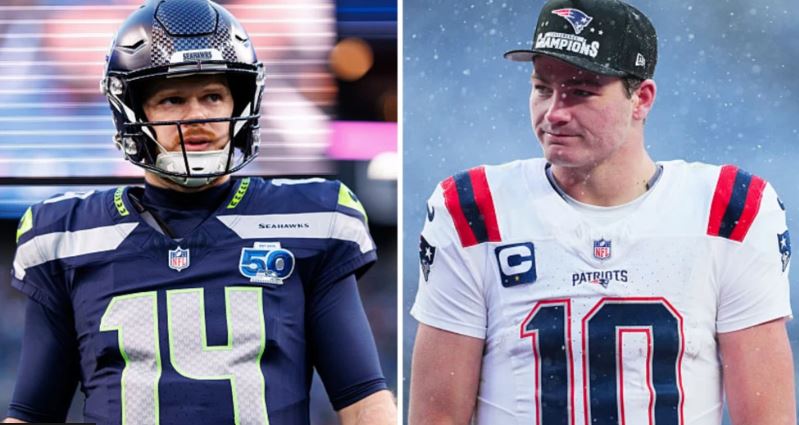
The first wagering recommendation happens to be for the first game of the year, which features a rematch of the two teams from February's Superbowl, the Seattle Seahawks and the New England Patriots. This seems like a situation that could become more of a trend in the future, but looking back, there has only been 2 other occasions where the teams in the previous Superbowl have faced each other in the opening game of week 1 the following season:
And in terms of a Superbowl rematch taking place in the following regular season, there have been 10 times in the past:
So, the previous Superbowl winner is 7-3 in these regular season rematches.
When it comes to evaluating the predicted spread, our system uses a large number of situational factors (see "Game Factors " section for this game. In addition to things like the teams' power ratings, injuries and home field advantage, our system has also identified these factors:
The system does have a bias for previous Superbowl winners and a bias against previous Superbowl losers. In this game, these two compound. We can see NE getting a small advantage for playing an away game on the same turf as its own home stadium. However, NE also suffers some penalties for travelling over 2,000 miles as well as playing a night game across the country. As a result of all of the factors the system looks at, it has arrived at a predicted spread of SEA -8.3. This greatly differs from what we are seeing the majority of the sportsbooks at right now, which is SEA -3.5. Given that difference, the "Opportunity Rating" for this game is 3 stars (out of 3). In terms of bet sizing, we take the Opportunity Rating and adjust it up or down by the patterns we identify in our machine learning models (see "Probabilities / Simulations" section of this game). Given the models see a better than 70% chance for SEA to cover (71%) and a chance for a SEA blowout over 30% (36%), the "Wager Rating" was incremented from a 3.0 to a 4.0. This means, we recommend a wager of 4% of your total bankroll (4 units).
As mentioned earlier, the system has a number of timing rules in place that have to do with underdogs, favorites as well as uncertainty around injury designations. For this game, there were no injury uncertainties for any major players to delay a wager on a favorite. At the time the wager was placed, the moneyline bet was slightly more attractive in terms of odds / juice than the spread bet. So the system's wager is on the SEA moneyline for this game.
It's worth noting that the betting analysis process continues to run for all games right up until kickoff and that factors can change the predicted spread and sportsbooks will continue to adjust their lines. So at present, the "Our Recommendation" section is recommending the spread bet of SEA -3.5. What this means is that from an odds standpoint, these two wagers are close. Whether you choose spread or moneyline has to do with your own personal risk aversion.
We hope this was helpful in explaining some of the inner workings of how the system evaluates opportunities and recommends wagers. We need to keep a few things in mind here. This is just one game. Wagering over the course of the season is more akin to a marathon that a sprint. Also, week 1 every year is notoriously difficult to predict and full of surprises that are often just part of week 1 and not a larger trend.
Hope you have a great time watching this game!